

The Island Fox is the one animal every fox lover wants to see in Planet Zoo 2, but until it arrives, we have to work with what the game offers. Thankfully, a few animals come close to the look we want.
This Planet Zoo 2 animal tier list ranks the available species based on how well they fit into a fox-themed zoo. The Red Panda and Meerkat are my top picks, while the Grey Wolf, Eurasian Beaver, and Ring-Tailed Lemur are worth considering if you need more animals for your collection. The lower tiers are a different story. Some animals are just too big, too strange, or too far removed from the fox shape to have any chance.
The rankings aren’t about which animals are best in the game overall. We’re looking for suitable stand-ins for the Island Fox and other animals that can make a fox-centered zoo more interesting. And yes, a few entries are here because the comparison is funny rather than convincing.
S-Tier: The Best Fox Substitutes
These two animals are the best choices if you want to build a fox-themed zoo before the Island Fox becomes available.
Meerkat
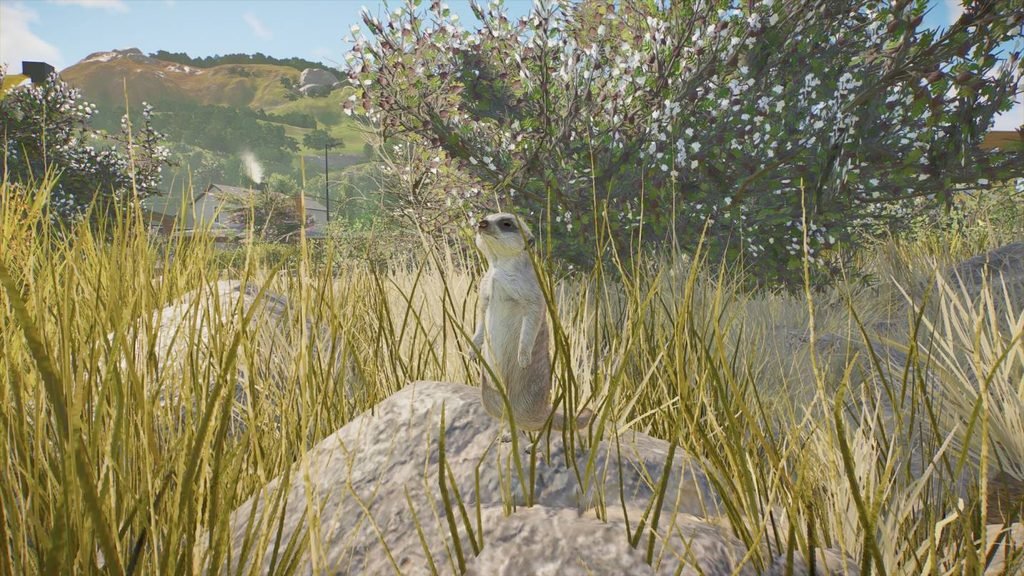
Small, cute, and capable of making almost anyone smile. The Meerkat isn’t a fox, and it isn’t a cat either. It’s a meerkat, and that’s good enough for now. Its size and adorable appearance make it one of the easiest animals to fit into a fox-centered zoo.
Just don’t forget that you’re running a zoo, not a fox-themed security nightmare. Check the enclosure before opening time, and probably keep your fingers away from anything that looks interested in biting them.
Red Panda
If one animal deserves an honorary place among the foxes, it’s the Red Panda. Look at that reddish fur, the fluffy body, and the face that practically begs to be admired. It has the right shape, the right colors, and more than enough fluff to earn its place at the top.
Some people insist on calling it a panda, but we’re not here to start that argument. For a zoo built around cute, fox-like animals, the Red Panda is about as good as it gets without having an actual fox.
A-Tier: Good Replacements
These animals won’t fool everyone, but each has something worth appreciating. Some are close in shape, while others deserve a place because they bring personality and color to your zoo.
Brown Trout
The Brown Trout is a strange choice, I’ll admit. It doesn’t have fur, legs, or anything else that would help it pass as an Island Fox. Still, let’s give evolution a few hundred million years and see where it goes. Until then, it can stay in the A-Tier on the strength of that very optimistic prediction.
Eurasian Beaver
The Eurasian Beaver has the fur, the body shape, and a tail that could almost work if you were willing to use a ridiculous amount of imagination. The color is another problem, but perhaps a little hair dye and a giant fluffy sock for the tail would do the trick.
Obviously, the real animal needs no such treatment. This is just what happens when we start looking at every species and asking whether it could be a fox.
Grey Wolf
At least the Grey Wolf is a canine, so we’re starting with something familiar. Its overall shape is closer to a fox than most of the animals on this list, but the size difference is hard to ignore.
You’ll need to accept a much larger animal if you choose this one. A cheap carnival painting kit might help with the color, but keeping a wolf small enough to resemble an Island Fox is going to be a much bigger challenge.
Javan Green Magpie
The Javan Green Magpie has no fluffy coat and doesn’t look much like a fox. So why is it here? Because a fox-themed zoo doesn’t have to be filled with animals that share the same face.
It’s colorful, intelligent, and a lovely animal in its own right. Sometimes we need to stop comparing everything to a fox and appreciate what we have.
Long-Eared Owl
Those ears are doing a lot of the work here. The Long-Eared Owl has the kind of ear shape that might remind you of a fox, and its appearance is certainly appealing.
The problem comes when it spreads its wings and flies away. Convincing visitors that a flying bird is an Island Fox would require more than a clever enclosure sign. Still, it’s a good-looking animal and deserves a spot in the zoo.
Ring-Tailed Lemur
The Ring-Tailed Lemur has a cute face and a tail that immediately catches your attention. You could probably spend a while trying to convince yourself that it belongs in a fox-themed zoo, but the differences are obvious.
And please, let’s not start cutting tails off animals just to make them look more appealing. The lemur is fine as it is. Sometimes the best thing you can do is accept that not every animal will look like a fox.
Toco Toucan
The Toco Toucan brings bright colors, a distinctive beak, and plenty of personality to the zoo. It doesn’t have much in common with an Island Fox, but that doesn’t mean it has no place here.
Just admire the feathers and leave them alone. There’s no need to start pulling them aside in search of a fox hiding underneath.
B-Tier: Some Potential, But Don’t Get Your Hopes Up
These animals have at least one quality that makes them worth considering. A few have the right size, others have attractive fur or colors, and some are here because they’re simply too cute to leave out.
Asian Small-Clawed Otter
The Asian Small-Clawed Otter is adorable, but the color is wrong, and it spends far too much time around water for our fox-themed plans. It also has a habit of biting, so admiring one from the right side of the enclosure is probably the sensible option.
The cuteness is there. The resemblance isn’t.
Axolotl
Somehow, the Axolotl manages to look like a little ball of aquatic fluff despite having no fur at all. That earns it a few points in my book.
The problem is that an Island Fox habitat without an island would already raise questions. Put an Axolotl in there, and visitors might wonder what they’re actually looking at. It’s an entertaining choice, just not a convincing replacement.
Eurasian Brown Bear
A Eurasian Brown Bear cub might have a chance during the first couple of months of its life. The small body and fluffy appearance could work from a distance, provided nobody looks too closely.
Then it grows up, and the entire plan falls apart. You’ll also have to explain that enormous difference in the tail. Enjoy the cute stage while it lasts.
Golden Lion Tamarin
The Golden Lion Tamarin has a lot of fur and a small body, which gives it a few points straight away. The color is different, but that’s not necessarily the biggest problem.
The real question is how good you are with a sewing machine. If your plan involves making the animal look more like a fox, you’re going to need considerably more than a needle and thread.
Goodfellow’s Tree-Kangaroo
Look at the Goodfellow’s Tree-Kangaroo and imagine someone trying to draw an Island Fox from memory after seeing one exactly once. The result might look something like this.
It’s an unusual comparison, but there is something about its shape that makes the idea entertaining. Just don’t let anyone put on glasses and expect the resemblance to improve.
Grizzly Bear
The Grizzly Bear has plenty of fur, and its young cubs are undeniably cute. Unfortunately, that’s where most of the similarities end.
A cub might work as a temporary stand-in if you squint hard enough. Once it grows into a massive bear, though, the fox comparison becomes difficult to defend.
Mountain Hare
This placement is brought to you by Fox Entertainment. The Mountain Hare isn’t a fox, but it is small, furry, and cute enough to fit into the general theme.
It won’t replace an Island Fox, and nobody should expect it to. Still, a fox-centered zoo can always use another small animal that visitors will enjoy looking at.
Snow Leopard
The Snow Leopard is one of the best-looking cats around. Cats already come second to foxes in the unofficial cuteness rankings, so this one deserves some credit.
Sadly, it’s much too large to serve as an Island Fox substitute. You can appreciate its appearance and still admit that the size difference ruins the comparison.
C-Tier: Fine for the Zoo, Not for Replacing Foxes
This is where the list starts getting questionable. Some of these animals can fit into a broader zoo theme, and a few are genuinely interesting. But if you’re hoping to fill an Island Fox-shaped hole, don’t expect much from them.
Binturong
The Binturong looks like an Island Fox that decided to dress up as Santa Claus and crawl down a chimney. Its fur and climbing ability give it some points, but the rest of its appearance is a different story.
It can still make an interesting addition to the zoo. Just don’t expect visitors to mistake it for a fox.
African Wild Dog
Being a canine earns the African Wild Dog a little respect. It has the general look of a dog-like predator and enough charm to fit into a zoo built around foxes and their relatives.
The size is the problem. It’s much larger than an Island Fox, so the resemblance only goes so far. Think of it as a relative visiting the zoo rather than a substitute.
American Bull Frog
The American Bull Frog doesn’t look particularly foxy, and there’s not much you can do about that. At least it can contribute some background noise if you put it near a pond.
That’s not exactly the role we had in mind for an Island Fox, but every zoo needs a few supporting characters.
Blackspotted Puffer
You could tell visitors that the fox has just run off with its favorite ball and left the Blackspotted Puffer behind. The round shape might even sell the joke for a moment.
Then someone asks why the ball is swimming around in a tank. Keeping a fish alive and explaining its place in a fox enclosure might be a little more complicated than expected.
Blue and Gold Fusilier
The Blue and Gold Fusilier is colorful, small, and probably more useful as an aquarium attraction than anything else on this list. You could also point out that it looks good enough to eat, although that doesn’t help the fox comparison.
At least the colors make it easy to spot.
Blunthead Cichlid
The Blunthead Cichlid has one job here, and it isn’t pretending to be a fox. It looks more like a slippery chew toy than anything you’d want to see running around a fox habitat.
That’s about all I have to say about this one.
Boeseman’s Rainbowfish
The Boeseman’s Rainbowfish has bright, shiny colors that make it an attractive aquarium animal. A tank full of them could even hold a fox’s attention for a while, assuming the fox could watch from somewhere safe.
As a substitute, though, it falls short. Shiny scales aren’t the same thing as a fluffy coat.
Cloudless Sulphur
The Cloudless Sulphur is a butterfly, so the resemblance is already in trouble. On the bright side, it can be chased, which at least gives us something to work with when imagining a fox’s favorite activities.
It’s a fun idea, but that’s as far as it goes.
Common Bluetongue
The Common Bluetongue is basically a reptilian puppy if you use your imagination generously enough. It has its own appeal, but the scales and body shape make it difficult to compare with an Island Fox.
Still, it gets some credit for being a little more interesting than a rock.
Common Ostrich
Imagine a fox riding an ostrich into battle. It’s a ridiculous image, but it’s probably the best use I can find for this particular combination.
The Common Ostrich is much too large to resemble a fox, and its size creates another problem in the imaginary matchup against mice, lizards, and birds. A fox would have a hard time keeping track of everything around those enormous legs and all the blind spots.
Common Rudd
The Common Rudd has red fins, so at least we’re starting with the right color. Now we just need to work out how to turn the scales into fur and the fish into a four-legged mammal.
I’ll leave that challenge to someone with a much bigger imagination.
Danube Crested Newt
The Danube Crested Newt is a small amphibian that doesn’t offer much in the way of fox-like features. You could imagine it as a snack for a passing fox, but that isn’t exactly the kind of relationship we’re trying to build in a zoo.
It gets a place on the list, just not a particularly high one.
Eurasian Bittern
The Eurasian Bittern is an unusual bird, and its appearance gives it a certain charm. Unfortunately, it doesn’t look much like a fox, and the resemblance becomes even harder to defend once it takes flight.
For a wetland exhibit, it makes more sense. For a fox-centered zoo, it’s another animal we’ll have to appreciate on its own terms.
European Peacock
The European Peacock has attractive colors and an impressive display, but the resemblance to a fox stops there. Its feathers are a long way from the reddish fur and bushy tail we’re looking for.
A fox cub might enjoy watching one for a few minutes, at least. That’s something.
Galapagos Giant Tortoise
The Galapagos Giant Tortoise has a place in wildlife history, but it doesn’t have much of a place in our search for the perfect fox substitute. Its shell and slow-moving body make the comparison a difficult one.
You might imagine using it to reach berries on a high branch, but that doesn’t mean it belongs in the fox enclosure.
Giant Malaysian Leaf Insect
The Giant Malaysian Leaf Insect is better suited to an insect exhibit than a fox-themed habitat. It has an interesting appearance, but there’s not much else to say about its resemblance to a fox.
In our imaginary zoo, it would probably be more useful as a surprise snack than a stand-in.
Gila Monster
The Gila Monster has a striking design and a name that sounds like it belongs to a creature from a monster movie. It also looks nothing like a fox.
Still, there’s no denying that it’s an interesting reptile. Not every animal has to pass the fox test to deserve a place in a zoo.
Golden Trevally
The Golden Trevally comes with the kind of appearance that makes you think of a barbecue before you think of a fox. Its shape and scales aren’t going to fool anyone.
Your imaginary fox might be interested in meeting it, but let’s leave the cooking jokes there.
Indo-Pacific Leopard Shark
The Indo-Pacific Leopard Shark is one of the more interesting fish on the list. If you stretch the comparison far enough, you might find a few features that remind you of a fox.
That’s a generous interpretation, of course. It still belongs in an aquarium, and it won’t be replacing an Island Fox anytime soon.
Koi
Koi can come in colors that remind you of a fox, including combinations of red, white, and other bright markings. That makes them a little more interesting for this particular theme.
The catch is that finding the right colors can feel like opening loot boxes. You might get exactly what you want, or you might spend a long time looking for the right combination.
Menelaus Blue Morpho
The Menelaus Blue Morpho is a beautiful butterfly, but its role in a fox-themed zoo is mostly decorative. You could imagine a fox chasing one around, although it would probably be more interested in a stolen sock.
It’s a lovely animal, just not a replacement for the real thing.
Nile Monitor
The Nile Monitor is a large lizard with an appearance that takes some getting used to. Give one a name like Slippy, and maybe you’ll grow attached to it almost as much as you would to a fox.
That still doesn’t make it look like one. The Nile Monitor is an interesting addition, but it belongs in a different part of the zoo.
Nyala
The Nyala is a graceful animal that can fit into a broader wildlife theme. It doesn’t have much in common with an Island Fox, but it could work as a peaceful neighbor in a zoo that includes several different species.
Not every enclosure needs to follow the same theme, after all.
Old World Swallowtail
The Old World Swallowtail is a decent-looking butterfly, but I would much rather see a New World Fluffytail. Unfortunately, that isn’t what we have here.
It’s another colorful addition to the zoo, even if its contribution to the fox theme is minimal.
Pacific Bluefin Tuna
The Pacific Bluefin Tuna is firmly in the food tier. That’s German, Bart.
Jokes aside, it’s a fish with little in common with a fox, and its place in the zoo is obvious. Put it in an aquarium and let it do its thing.
Red Deer
The Red Deer makes more sense in a fox-centered zoo than some of the stranger choices on this list. If you’re building a zoo around North American or European wildlife, it can help fill the spaces between fox habitats.
Most familiar fox species come from the Northern Hemisphere, so a broader regional theme can work well. The Red Deer isn’t a fox substitute, but it can help the whole zoo feel more connected.
Secretary Bird
The Secretary Bird has a distinctive design, and its long legs make it stand out from the other birds on this list. The thigh gap is an interesting design choice, though, and it doesn’t exactly help the fox comparison.
It’s a decent-looking bird. That’s about where its fox-related qualities end.
Sri Lankan Rose
The Sri Lankan Rose is beautiful, but it’s still a winged invertebrate rather than a furry mammal. Its appearance might be worth appreciating in its own exhibit, but it won’t do much for an Island Fox habitat.
At least it brings a little color to the zoo.
Sunda Pangolin
The Sunda Pangolin is shy, small, and surprisingly cute. Its little face makes you want to get closer, but it often seems like the sort of animal that would rather hide than entertain a crowd.
Unfortunately, its scales and body shape are very different from a fox. You’ll have to appreciate it without expecting a close resemblance.
Threespot Damselfish
The Threespot Damselfish is a small fish that could add a little variety to an aquarium. You might even wonder if putting it next to our favorite animals would create a damsel in distress.
The joke is better than the comparison, but we’ll give it that.
Yellow Tang
The Yellow Tang has perhaps the most fitting name on this entire list. It’s yellow, it’s a tang, and it doesn’t pretend to be anything else.
Unfortunately, the name is doing all the work here. The Yellow Tang is an aquarium fish, not a fox substitute.
D-Tier: A Waste of Space in a Fox-Only Zoo
These animals might be excellent choices for their own habitats, but they do very little for a zoo built around the Island Fox. Some are too large, others have completely different body shapes, and a few are just unfortunate matches.
African Penguin
I can imagine someone trying to turn an African Penguin into a convincing fake fox with three rolls of duct tape and a pile of cardboard. From a very long distance, perhaps the result might fool someone.
But I care about animal welfare, even when we’re talking about a completely imaginary contest between species. The penguin should stay a penguin, and the fox should get its own enclosure.
African Leopard
The African Leopard can climb, which is one small point in its favor. Beyond that, the similarities are hard to find. It’s much larger than an Island Fox, has a spotted coat, and looks like a predator you shouldn’t approach without a barrier between you.
That’s a good animal for a leopard habitat. It isn’t a good substitute for a fox.
Bactrian Camel
The Bactrian Camel has long legs, a huge body, and two unmistakable humps. You could tell a particularly trusting visitor that a fox was hiding somewhere on that lanky animal, but I wouldn’t expect them to believe you for long.
Once they realize what they’re looking at, the refund requests will arrive quickly.
Bluespine Unicornfish
The Bluespine Unicornfish looks like it would rather have been born as a foxface fish. Honestly, I can understand the feeling.
Sadly, wishing for a different face doesn’t change the animal’s shape. It’s still a fish, and there isn’t much we can do to make it look like a fox.
Clown Loach
The Clown Loach has a name that sounds promising, but don’t get too excited. It isn’t a fox, and it doesn’t have the body shape to pretend otherwise.
Bully.
Common Warthog
The Common Warthog is a terrible choice if you’re trying to keep a neat, carefully designed fox-themed area. Its body shape is completely different, and its appearance doesn’t offer much to work with.
It also seems like the sort of animal that would destroy the landscaping you spent hours putting together. That’s enough to keep it off the shortlist.
Dolphinfish
The Dolphinfish doesn’t look much like a fox, and its place in the zoo is pretty obvious. At least it doesn’t make the sort of strange noises that would make the whole situation even worse.
It’s an aquarium animal. Let’s leave it at that.
Eurasian Lynx
The Eurasian Lynx is a cat, so it gets a little credit for being a furry predator. Unfortunately, it looks far too angry and is much too large to pass as an Island Fox.
You might like having one in your zoo, but don’t expect the visitors to mistake it for a fox. The face alone gives the game away.
Fire Salamander
The Fire Salamander looks like a dangerous gummy bear. Its bright markings make it stand out, but its body shape is nowhere near the fox standard.
It’s an interesting amphibian, just not the one we’re looking for.
Gharial
The Gharial has a long snout that might look interesting from certain angles. That’s about the only positive thing I can say about its chances of replacing a fox.
The rest of its body is unmistakably reptilian. You can admire the snout, but the fox comparison ends there.
Giant Slippery Frog
The Giant Slippery Frog sounds like an animal that should be fun to have around, at least until you remember that we’re trying to build a fox-themed zoo.
Its appearance doesn’t help much, and the name raises more questions than it answers. It might be entertaining in its own habitat, but it isn’t a replacement for a fox.
Golden Poison Frog
The Golden Poison Frog is another dangerous gummy bear, except this one comes with a much more serious warning. Its bright colors make it easy to recognize, but they don’t make it look anything like an Island Fox.
It’s better left in a suitable amphibian exhibit.
Great Hornbill
The Great Hornbill has a name that makes you wonder who came up with it. Yes, it has a bill, and yes, its appearance is distinctive. But a fox? Not even close.
It does have a certain charm, though, so it isn’t completely without appeal. Just don’t expect it to fill the gap left by a missing fox species.
Greater Flamingo
The Greater Flamingo looks as if someone started designing a bird, decided it wasn’t unusual enough, and kept adding features until it became something else entirely.
It’s recognizable and can make an interesting exhibit, but the long legs and distinctive shape are a long way from a fox. Sometimes a design is better left alone.
Indian Ocean Oriental Sweetlips
How can your lips be sweet if they don’t belong to a fluffy muzzle? And what does the name have to do with an Island Fox?
Those questions aren’t going to help the fish look any more like a fox. The Indian Ocean Oriental Sweetlips is better suited to its own aquatic habitat than a zoo built around furry canines.
Longfin Batfish
The Longfin Batfish looks like it has had a very long day. It has an unusual shape and a somewhat unfortunate appearance, neither of which helps with our search for a fox substitute.
We want a happy zoo full of fluffy animals. This fish doesn’t seem particularly interested in joining that plan.
Monarch
The Monarch is a beautiful butterfly, but its name promises more than it delivers for a fox-centered zoo. It might be majestic in its own way, but it isn’t going to compete with a fluffy little fox on appearance.
It can still have a place in a butterfly exhibit. Just don’t put it at the center of your fox collection.
Moon Jelly
The Moon Jelly can be fascinating to watch. Its movement and translucent body make it an interesting aquarium animal, especially if you enjoy watching something drift around in the water.
Unfortunately, it’s difficult to find a meaningful connection between a jellyfish and an Island Fox. It belongs in a different kind of exhibit.
Ocellated Eagle Ray
The Ocellated Eagle Ray is fun to describe as a sea creature doing a little flap-flap dance. Beyond that, the comparison to a fox doesn’t have much going for it.
Its flat body and fins make it an obvious aquatic animal. Keep it in the aquarium and save the fox habitat for something furrier.
Schooling Bannerfish
The Schooling Bannerfish might remind you of a foxface fish, which is at least a little closer to the theme we’re trying to follow. Unfortunately, the details don’t quite work.
It’s still a fish, and the shape is too different from a fox to make the comparison convincing.
Springbok
The Springbok has facial markings that might remind you of a Grey Fox or an Island Fox if you look at it from the right angle. That’s where the similarities end, though.
Its body, legs, and overall size make it a very different animal. It’s an interesting addition to a wildlife zoo, but it doesn’t belong among the best fox substitutes.
Sumatran Tiger
The Sumatran Tiger is a magnificent animal, but it fails almost every requirement on our list. It’s too big, too muscular, and far too different in shape to stand in for an Island Fox.
You also won’t be petting one anytime soon. If you’re building a zoo around small, adorable foxes, feeding and housing a tiger is a very different kind of commitment.
E-Tier: Nowhere Near the Fox Standard
These animals have so little in common with a fox that it’s difficult to find even a funny comparison that holds up for more than a second. Most are better suited to their own habitats, and some look as if they came from an entirely different game.
Aardvark
No. Just no.
The Aardvark has a long snout, a different body shape, and none of the features that make an Island Fox so appealing. Where are the cute eyes? Where’s the fluffy coat? Where’s the reddish or grey fur?
There’s nothing wrong with an Aardvark being an Aardvark, but it’s not going to pass as a fox.
Black Rhinoceros
The Black Rhinoceros is basically an enormous puppy if you use a very generous definition of the word. Unfortunately, nobody is going to believe that explanation when they see its size and horn.
It’s an impressive animal, but the fox comparison is over before it begins.
Black Wildebeest
The Black Wildebeest has horns that visitors will notice long before they start looking for anything fox-like. Its size and body shape are completely wrong for the role.
There’s no clever trick that can make this one work.
Blacktip Reef Shark
You could stretch the Blacktip Reef Shark, glue wool to its body, and spend a fortune trying to make it look different. It would still be a shark.
Some animals simply aren’t meant to be fox substitutes. This is one of them.
Cape Buffalo
The Cape Buffalo is far too large and has the wrong body shape for a fox-themed enclosure. You’d need an absurd amount of modelling clay and a generous supply of rum to even begin imagining the transformation.
And even then, I wouldn’t bet on the result.
Desert Horned Viper
The Desert Horned Viper has horns, scales, and a long body. Those features are interesting on their own, but none of them help it look like an Island Fox.
The horns won’t fool anyone, and the lack of fur is a rather serious problem. It tried, but it didn’t get anywhere close.
Eastern Brown Snake
The Eastern Brown Snake has eyes that might remind you of a dog if you look at them long enough. Sadly, that’s not enough to save the comparison.
It’s still a snake, and those puppy eyes aren’t nearly cute enough to make up for everything else.
Gemsbok
The Gemsbok is a large antelope with horns and a body built for a completely different lifestyle. Its interests include the usual things you’d expect from a grazing animal, not the activities you’d associate with a fox.
There’s no shared look here, and very little reason to consider it a substitute.
Goliath Beetle
The Goliath Beetle has some colors that might look promising if you ignore where they appear. Unfortunately, the hard shell, insect body, and overall shape make the comparison impossible.
You can’t do much with the wrong model, no matter how creative you get.
Indo-Pacific Sergeant
The Indo-Pacific Sergeant has a rather unusual appearance, and its coloring doesn’t do much to help. It looks more like a fish that has seen better days than anything remotely fox-like.
I wouldn’t even consider it for the role.
Lehmann’s Poison Frog
The Lehmann’s Poison Frog looks like a piece of colorful licorice with legs. It might be interesting in an amphibian exhibit, but it doesn’t have the shape or appearance we’re after.
Even an imaginary fox wouldn’t know what to make of this one.
Lion
Cats are the second-best thing after foxes, so you might expect the Lion to do well here. Unfortunately, being a cat doesn’t automatically make an animal a good substitute.
The Lion is enormous, has a mane, and moves very differently from a small fox. Where’s the sleek body, the sneaky movement, the mysterious little face? The Lion has its own appeal, but it doesn’t meet the standard we’re trying to uphold.
Malayan Tapir
The Malayan Tapir is smaller than an elephant, which is about the only comparison I can make that helps it here. Its unusual snout and bulky body are nothing like the shape of an Island Fox.
It’s a distinctive animal, but not a convincing substitute.
Przewalski’s Horse
The Przewalski’s Horse looks like something our ancestors spent far too much time drawing on cave walls. It has an unmistakable horse-like shape, which doesn’t help when we’re searching for a fox.
A horse can be an excellent addition to the right zoo. This just isn’t the right role for one.
Sailfin Snapper
The Sailfin Snapper has a face that reminds me of a grandma driving a car. I’m not sure why, but I wouldn’t trust it any more than I would trust that imaginary driver.
As for its chances of looking like a fox, they’re practically nonexistent.
Western Diamondback Rattlesnake
The Western Diamondback Rattlesnake sounds like it might be an interesting animal to have around. That’s how it gets you.
Once you look past the name, you’re left with a snake that has almost nothing in common with an Island Fox. The comparison doesn’t get any better from there.
West Indian Manatee
The West Indian Manatee is basically a water potato. It’s a memorable animal in its own way, but its rounded body and aquatic lifestyle put it nowhere near the fox standard.
A manatee exhibit makes sense. A manatee pretending to be a fox does not.
F-Tier: These Animals Shouldn’t Be Compared to Foxes
At this point, we’re not looking at animals that could use a little imagination. We’re looking at species that have almost nothing in common with an Island Fox. Some are enormous, some are dangerous, and others are so far removed from the fox shape that the comparison becomes a joke in itself.
African Savannah Elephant
The African Savannah Elephant weighs several tons and has a body that could flatten almost anything in its path. Put one next to a fox enclosure, and visitors are more likely to make jokes about the elephant in the room than admire your attempt at a fox substitute.
Calling this enormous animal an adorable ball of fluff isn’t going to work. It belongs in a proper elephant habitat, far away from this ranking.
African Tigerfish
The African Tigerfish is almost the opposite of what we’re looking for. It has an intimidating appearance, sharp teeth, and none of the features that make a fox adorable.
Its best use in our imaginary fox-themed world would be as a reminder that not every animal is meant to be cute and cuddly.
Amazonian Giant Centipede
Too many legs. That’s the problem.
The Amazonian Giant Centipede has an appearance that makes it difficult to understand how anyone could compare it to a fox. It doesn’t have the shape, the face, or the fluffy coat.
Let’s move on before it gets any closer.
Asian Elephant
The Asian Elephant is another animal that fails the size test by a ridiculous margin. It can’t climb a tree like a small fox, it can’t sit on your lap, and it certainly won’t fit into the kind of enclosure we’re imagining.
It’s an impressive animal, but this is not its competition to win.
Boa Constrictor
The Boa Constrictor doesn’t even have legs. How are we supposed to turn that into a fox?
The lack of ears and fur is another problem. Visitors looking for the familiar grey, reddish-brown, black, or white coat of a fox aren’t going to be impressed by a snake, no matter how much you try to explain it.
Clown Anemonefish
The Clown Anemonefish has bright colors and an unmistakable appearance, but it has nothing to do with a fox. It belongs in an aquarium, and that’s where the comparison should end.
The original joke about its mating behavior is best left out of any serious animal description. Its place in this tier is already clear enough.
Clown Triggerfish
The Clown Triggerfish looks as if someone tried to draw a fox from memory and then decided to turn the result into abstract art. Its body shape, markings, and overall appearance are completely different.
There’s no way to make this one work as a substitute.
Common Hippopotamus
The Common Hippopotamus looks like a giant pig that wandered into the wrong game. Its bulky body and enormous mouth are about as far from the small, sleek appearance of a fox as you can get.
The original comparison involving visitors getting sprayed is another reason to keep this animal in its own habitat. Hopefully, whatever comes out of that mouth is just water.
Diamondback Terrapin
The Diamondback Terrapin has a shell and short legs, neither of which helps with the fox comparison. You could imagine it as a chew toy, but that would be a terrible idea if you cared about the animal’s teeth.
Don’t redeem this one for your fox-themed collection.
European Bison
The European Bison is enormous, covered in thick fur, and equipped with horns. The fur is the only feature that gives it even a tiny chance in this contest.
The rest of the animal is completely wrong. Its name might as well be pronounced “bye, son” as it realizes its offspring didn’t turn out to be a fox.
Giant Forest Scorpion
Evolution has plenty of ways to produce interesting animals. Some species end up looking appealing, while others develop features that help them survive in their environment.
The Giant Forest Scorpion seems to have gone all-in on the second option. Its pincers, multiple legs, and hard body are a long way from the fox standard.
Giant Panda
The Giant Panda is cute, but it isn’t a fox. It has a different body shape, different coloring, and a size that makes the comparison difficult to defend.
In the imaginary budget battle between pandas and foxes, I know where I’d put the money. The foxes need their funding, and they don’t need another animal taking the spotlight.
Giant Tiger Land Snail
Four words in the name, and somehow none of them helps. It’s a snail, it has no fur, and it doesn’t resemble a fox in any meaningful way.
There’s not much more to say about this one.
Great Hammerhead
The Great Hammerhead has a head shape that makes it instantly recognizable. Unfortunately, that same feature makes it one of the worst choices for a fox substitute.
It’s an impressive shark, but its appearance is about as far from a canine as you can get.
Hawksbill Turtle
The Hawksbill Turtle has a shell, flippers, and a body built for life in the water. None of those features make it a convincing fox.
You could wish it had stayed on land, but that wouldn’t change much. It’s still a turtle, and the fox comparison isn’t going anywhere.
Komodo Dragon
The Komodo Dragon looks like a dinosaur that decided to live on an island. Its powerful body and reptilian appearance make it a poor match for a small, fluffy mammal.
Islands are supposed to be for foxes, at least according to the rules of this ridiculous ranking. The Komodo Dragon clearly didn’t get the message.
Masai Giraffe
The Masai Giraffe looks like someone mixed several different animal designs and decided the result was good enough. Its long neck, tall legs, and unusual markings make it impossible to confuse with a fox.
Think about how many foxes you could fit into the space occupied by one giraffe. At least 37, if we’re making up numbers for the sake of the argument.
Mexican Redknee
The Mexican Redknee has plenty of hair, so it gets one point for effort. Unfortunately, having eight legs makes the puppy comparison a little difficult to sell.
Those eyes aren’t helping either. Puppy eyes work best when there are two of them, not eight.
North Sulawesi Babirusa
The North Sulawesi Babirusa has an unusual appearance, and its tusks are the biggest problem. They can grow in ways that make them look as if they’re heading back toward the animal’s own skull.
That’s a design feature you don’t see on a fox. It’s also a good reason to keep this species out of the running.
Ocean Sunfish
The Ocean Sunfish looks as if someone started with a shape and then forgot to finish the design. It’s unusual, certainly, but not in a way that helps our fox-themed plans.
What came first, the shape or the disappointment? I’m still not sure.
Red-Eyed Tree Frog
Frogs can be adorable, but the Red-Eyed Tree Frog seems much more interested in looking unusual than looking cute. Its bright eyes are memorable, although they don’t help it resemble a fox.
It might work in an amphibian exhibit, but there’s no reason to put it near the top of this list.
Reticulated Giraffe
The Reticulated Giraffe is another animal that makes the fox comparison difficult. It’s extremely tall, has a long neck, and carries a spotted pattern across its body.
Calling it a “ridiculated” giraffe feels appropriate for this ranking. The original joke about giraffes eating poisonous acacia leaves adds another layer of absurdity, but none of it makes the animal look any more like a fox.
Sable Antelope
The Sable Antelope has long horns and a large body, which makes it a poor match for a small, fluffy mammal. The horns might be useful for scratching an itch, but that’s not exactly a fox-like activity.
It has its own place in the animal kingdom. Just not in this contest.
Sacred Scarab Beetle
The Sacred Scarab Beetle is an insect with a hard body and a completely different shape from a fox. There’s no fur, no bushy tail, and no resemblance worth defending.
You are what you eat, but that doesn’t mean you can eat your way into becoming a fox.
Saltwater Crocodile
The Saltwater Crocodile is basically the reptilian equivalent of a dangerous dog that nobody should approach. It’s huge, powerful, and equipped with a mouth full of teeth.
Some alligators earn the nickname “swamp puppies,” but this animal is closer to an untamed Doberman. Keep it in a suitable habitat and away from any imaginary fox playground.
Sand Tiger Shark
Some bath toys expand and become fluffy when you put them in water. The Sand Tiger Shark seems to do the opposite.
Its large teeth and unmistakable shark shape make it a terrible choice for a fox substitute. It might be an interesting aquarium animal, but that’s the best thing we can say about it here.
Siamang
The Siamang is loud, lanky, and has long limbs that make its body shape very different from a fox. It has its own charm, but the resemblance is almost nonexistent.
I’m giving it a 17 out of 100 on the fox scale. That’s generous, and I won’t be taking questions about the scoring system.
Spotted Hyena
The Spotted Hyena has some canine-like features, but its body shape and appearance are quite different from those of an Island Fox. It’s also much larger and doesn’t have the same cute, compact look.
The original joke about its laugh and birth is dark enough to make the comparison even less appealing. Let’s leave the hyena in its own habitat.
Sumatran Orangutan
The Sumatran Orangutan is intelligent, strong, and capable of getting into trouble. In our imaginary zoo, I can easily picture one figuring out how to open a gate just for the fun of it.
Unfortunately, it has almost nothing in common with a fox. It’s a primate, not a canine, and the difference is impossible to ignore.
Sun Bear
The Sun Bear looks like someone put a person in a strange animal costume and sent them into an enclosure. Its face and body shape don’t help the fox comparison at all.
It has the unsettling appearance of an old fast-food mascot from the 1960s. That’s not the kind of look we’re trying to bring to a fox-themed zoo.
White-Backed Vulture
The White-Backed Vulture has a hunched appearance, a hooked beak, and feathers instead of fur. It might fit into a wildlife exhibit, but it won’t pass as a fox.
You could imagine it in a live-action remake of The Hunchback of Notre-Dame, provided the production team was prepared for the smell. That’s still a better role than pretending to be an Island Fox.
Western Chimpanzee
The Western Chimpanzee is intelligent, powerful, and capable of being dangerous. Its appearance and body shape are nothing like those of a fox.
If I had to stand near an angry chimpanzee, I’d want at least a meter of glass between us. That’s another reason it doesn’t belong in the same category as a small, fluffy fox.
White-Tailed Sea-Eagle
The White-Tailed Sea-Eagle is an impressive bird, and its appearance gives it a little more appeal than some of the other animals in this tier. Still, looking vaguely like a potential fox companion isn’t the same as actually resembling one.
It’s the lesser of two evils in this ranking, but it doesn’t get much closer to the goal.
Western Lowland Gorilla
The Western Lowland Gorilla is a powerful animal with a body shape that makes it an obvious mismatch. There’s no way to mistake it for a small fox, no matter how much you like furry animals.
The original joke about Harambe and Shabani belongs to the internet’s endless collection of gorilla memes. It doesn’t help the fox comparison, but it does explain why this entry feels like a battle for everyone’s sanity.
Yellow Anaconda
The Yellow Anaconda is one of the world’s great danger noodles, at least in the language of internet animal lovers. It can wrap around things, but that’s not the kind of hug we’re looking for.
Its long, legless body and lack of fur make it a terrible fox substitute. Some animals are better admired from a safe distance, and this is one of them.
Satan-Tier: The Three Worst Choices
These three animals earn a special tier of their own. They don’t just fail to resemble a fox; they actively make the idea of a fox-centered zoo feel worse.
Golden Eagle
The Golden Eagle knows what it did. I’m not explaining further.
Red Lionfish
The Red Lionfish is beautiful, and that’s part of the problem. Its fins and striking appearance make it a fascinating aquarium animal, but it has absolutely nothing in common with an Island Fox.
The word “boom” appears far too often in short videos featuring this fish, and somehow the world is better for it. If only it were a little less beautiful, perhaps we could judge it more harshly without feeling guilty.
Wild Boar
The Wild Boar earns its place in Satan-Tier for one simple reason: it looks like the kind of animal that would destroy the best piece of fox habitat you had spent hours building.
A fox-centered zoo needs carefully planned enclosures, attractive landscaping, and enough space for the animals to feel at home. The Wild Boar seems determined to ruin that plan. Keep it away from the prime fox real estate.